In human health, sentinel systems for monitoring diseases are already commonplace, involving a network of reporting sites, typically doctors, clinics, laboratories and public health departments. In ecosystems health, the principles are the same. Sentinel species can indicate possible disease spread, so accurate monitoring of sentinels will quickly outline the extent of that spread.
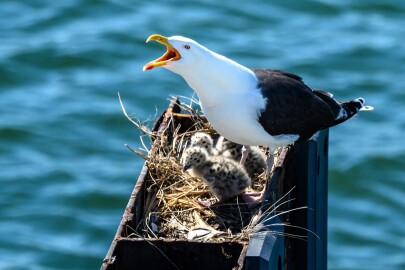
Black-backed gull. Image: Gordon Leggett, via Wikimedia Commons
The southern black-backed gull (Karoro, Larus dominicanus) and the Canada goose (Branta canadensis) are strong candidates for sentinel monitoring. Both species are widespread across multiple habitats, from refuse tips to agricultural land to urban areas, and both are occasionally subject to management cull operations, for example at airports to prevent bird strike, and – in the case of the gulls – where they predate nests of endangered birds such as the dotterel and fairy tern.
Aligning sampling with management operations offers a practical and scalable way to build more coordinated wildlife disease surveillance. Preliminary research on some of the culled birds has shown they are potential carriers of Campylobacter, Escherichia, and Salmonella, all bacteria that can cause food-borne illnesses.
A fully integrated, culturally acceptable, cross-agency system across the agricultural, environmental and human health sectors would enable coordinated detection and monitoring of diseases by using sentinel species as key indicators within the surveillance framework. This system would draw on molecular diagnostics, extensive fieldwork such as wildlife sampling and trapping, and analytical approaches including risk modelling and spatial modelling. Data collected in such a system could be used to signal trends, identify outbreaks and monitor disease burden across a landscape, providing a rapid, economical alternative or complement to other surveillance methods.
And we think it can be done: Better Border Biosecurity is a similar cross-agency platform that has been undertaking vital research and monitoring of pest plant and insect incursions across Aotearoa since 2005.
Expanding the wildlife sentinel toolkit
Other examples of wildlife with potential value for disease surveillance include:
Leptospirosis in rodents and livestock
Leptospirosis is a bacterial infection that can be spread by rodents and other wildlife. Following Cyclone Gabrielle in 2023, there was an increase in human cases of leptospirosis in both the Hawke's Bay and Auckland regions. Rodent surveillance provides an additional and efficient tool for monitoring some Leptospira present in the environment and for understanding how extreme weather events influence exposure risks for people and livestock
Avian influenza in seabirds and shorebirds
Waterfowl have often been considered the primary long-distance carriers of avian influenza viruses such as H5N1, which first emerged in poultry in China in 1996. However, recent epidemiological evidence has highlighted an important role for migratory seabirds and shorebirds in global virus movement. Monitoring these species provides insight into changing transmission pathways and early warning of incursions.
Avian malaria in Westland petrels
Westland petrels have been found to carry Plasmodium (avian malaria) based on screening of carcasses. Although the infection outcomes for this species remain unclear, detecting avian malaria parasites in recovered individuals contributes to broader understanding of parasite distribution and potential risks for susceptible native birds.
Salmonella in hedgehogs
Salmonella causes gastrointestinal illness in humans and is known to circulate in wildlife overseas, including hedgehogs. Its prevalence can increase after events such as Cyclone Gabrielle as soils, water supplies and faecal contamination are redistributed. Monitoring hedgehogs for Salmonella may provide useful information on landscape-level disease presence and possible exposure risks for people and animals.
Key contact